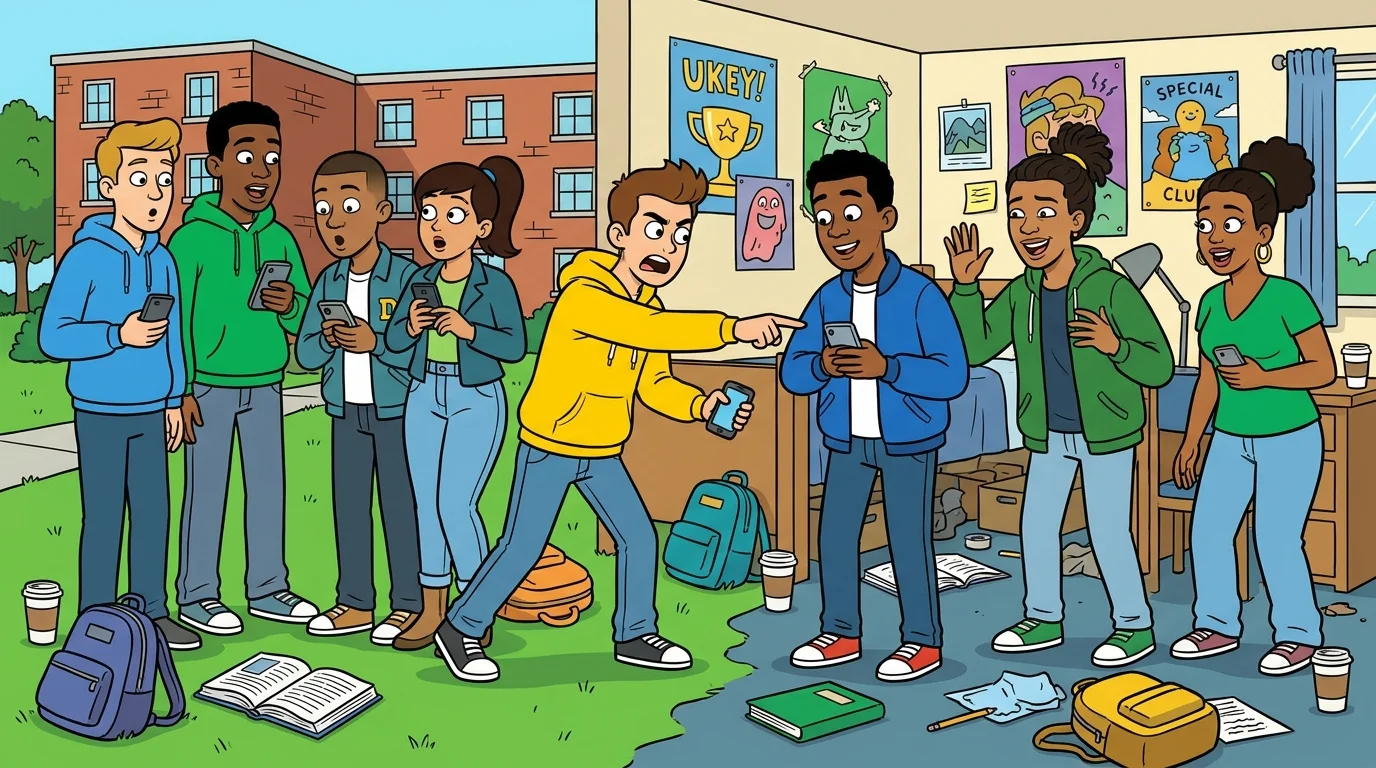
The first week of school is make-or-break for class culture. Students arrive in a new configuration, new classmates, new seating, sometimes a new school entirely, and their default mode is protective: speak only when called on, don't stand out, don't embarrass yourself.
The teacher's job in that first week is not to cover curriculum. It's to make it safe to participate. Icebreakers, done well, accomplish that. Done badly, they make it worse, creating forced sharing, awkward silences, and the particular cruelty of hot-seat introductions for students with social anxiety.
The games in this list are selected because they create psychological safety, not discomfort. They give students something external to focus on (a task, a challenge, a puzzle) while they naturally start talking and learning each other's names.
The Problem With "Say Your Name and a Fun Fact"
The classic round-robin introduction is well-intentioned and reliably terrible. Problems:
- Students who go early forget what everyone said by the end
- Students who go late spend the entire time rehearsing their fun fact instead of listening
- The format spotlights anxiety rather than alleviating it
- Extroverts shine, introverts shrink, day one of 180
The games below avoid the spotlight-on-one-student format. Everyone is active, stakes are low, and the teacher is not the only focus.
For Classrooms With Devices
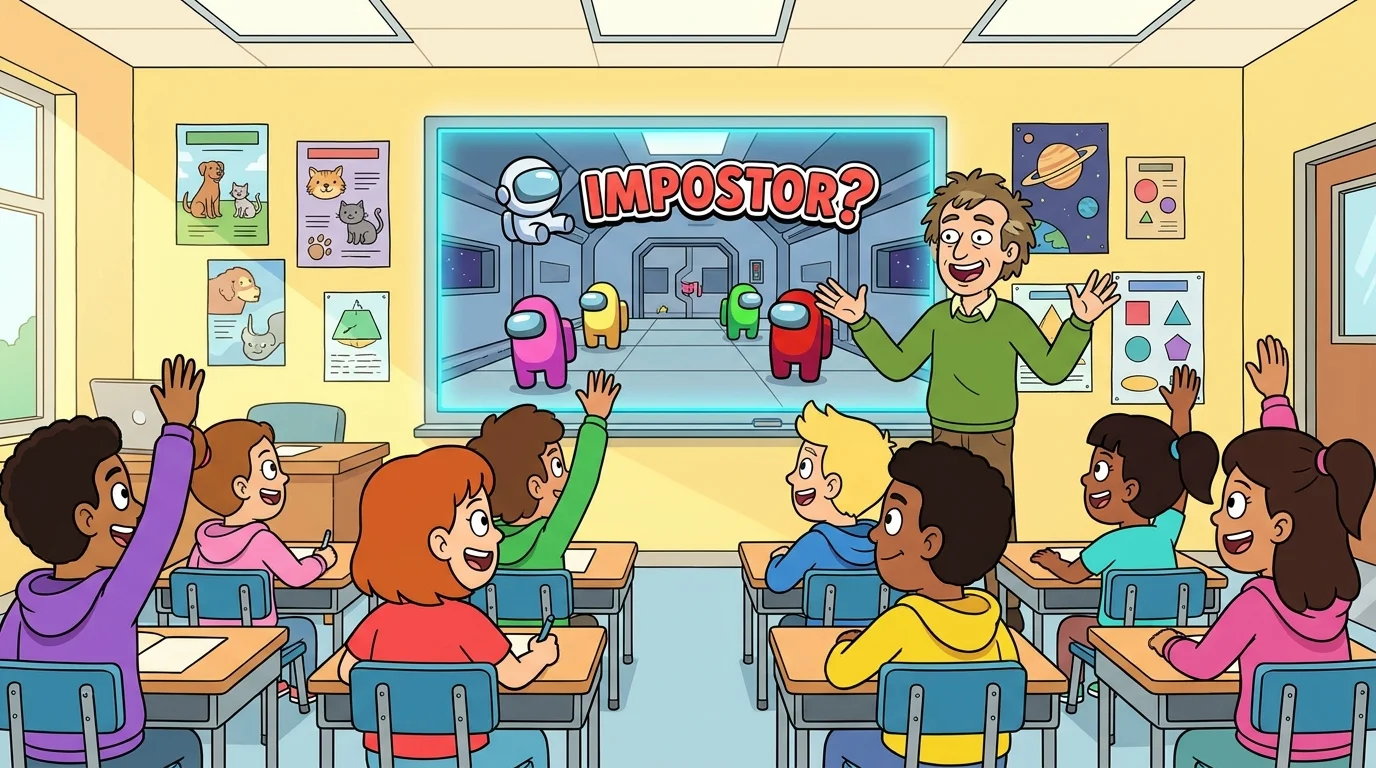
1. Find The Imposter, Social Deduction Icebreaker
Find The Imposter works brilliantly as a first-week activity because it creates genuine interaction with zero prior relationship required. Divide the class into groups of 5–8 students, each with a device. One person per group creates a room and shares the link.
Players take turns giving a one-word clue about a shared secret word, except one player doesn't know the word and has to fake it. The group discusses and votes.
Why it works as an icebreaker: The discussion phase ("I think it was Jordan because their clue was really vague...") is natural, low-stakes argument between students who just met. By the end of a round, students have formed opinions about each other's thinking styles, which is the foundation of classroom chemistry. Completely free, no accounts, works on phones.
Time: 15–20 minutes | Grade level: 6–12+ | Prep: 0 minutes
2. Kahoot Name Blast
Create a free Kahoot quiz with questions about you, the teacher. "What was my major in university?" "Which of these countries have I visited?" "What is my guilty pleasure TV show?" Students play on their phones.
Reveals your personality quickly and gives students something to talk about immediately. Follow up with "what surprised you?" discussion.
Variation: Have students submit 3 facts about themselves before class. Build the Kahoot from their facts, students guess "which classmate said they collect vintage stamps?"
For In-Person, No Device Needed
3. Two Truths and a Lie, Team Version
Rather than going around individually (see above: spotlight problem), run this as a team game. Groups of 4–5 write 5 collective truths and 2 lies about their group. Other teams guess which are lies.
Requires students to discover shared experiences quickly ("anyone here been to Disney World?") and creates natural conversation within the group before any public performance.
4. Human Bingo
Create a 5×5 bingo card with statements in each square: "has a sibling," "played on a sports team," "speaks more than one language," "has lived in a different city," "has a pet that isn't a dog or cat." Students must find a different classmate who fits each square and get their signature.
Students are out of their seats, moving, talking, and naturally learning names in the process of completing the task. Takes 10–15 minutes, creates a real buzz in the classroom.
5. Paper Plane Messages
Each student writes their name and three words that describe themselves on a piece of paper, folds it into a paper plane, and throws it across the room. Everyone picks up a plane that isn't theirs and reads it to the class, then tries to find whose it is.
Removes the hot seat: you're presenting someone else's information, not your own. Low stakes, naturally funny when planes don't fly well, creates immediate memory associations with names.
6. Speed Friending
Like speed dating: students sit in two rows facing each other. Timer goes for 90 seconds. Talk to the person across from you about a prompt on the board ("best meal you've ever eaten," "last thing you watched that made you laugh"). Timer rings, one row shifts. New person, new prompt.
In 15 minutes, students have spoken to 8–10 classmates. This one is particularly effective for shy students, the forced ending of each conversation removes the awkwardness of "how do I stop talking to this person."
For Virtual or Hybrid Classes
7. Emoji Introduction
In the video call chat, everyone sends an emoji reaction to this prompt: "send the emoji that best describes your summer." Then pairs explain their choices in breakout rooms for 3 minutes.
Fast, visual, gives the teacher data on student tech comfort quickly, and breakout rooms do the relationship-building work without whole-class performance pressure.
8. Collaborative Playlist Building
Shared Google Doc. One row per student. Fill in: name, hometown, one song that represents you, one surprising thing. Done async before the first meeting. First class discussion built around patterns, "four people picked the same artist, why?"
The Design Principle
The best icebreakers give students a task, not a performance. When the focus is on figuring out who the imposter is, completing the bingo card, or finding the plane, students are solving a problem together, and relationship forms as a byproduct.
Save Find The Imposter as your back pocket activity for the first day. It takes zero prep, runs on any device, and creates exactly the kind of low-stakes social challenge that turns a group of strangers into a class.
The first week of school doesn't build curriculum. It builds permission to participate, and that's more valuable.