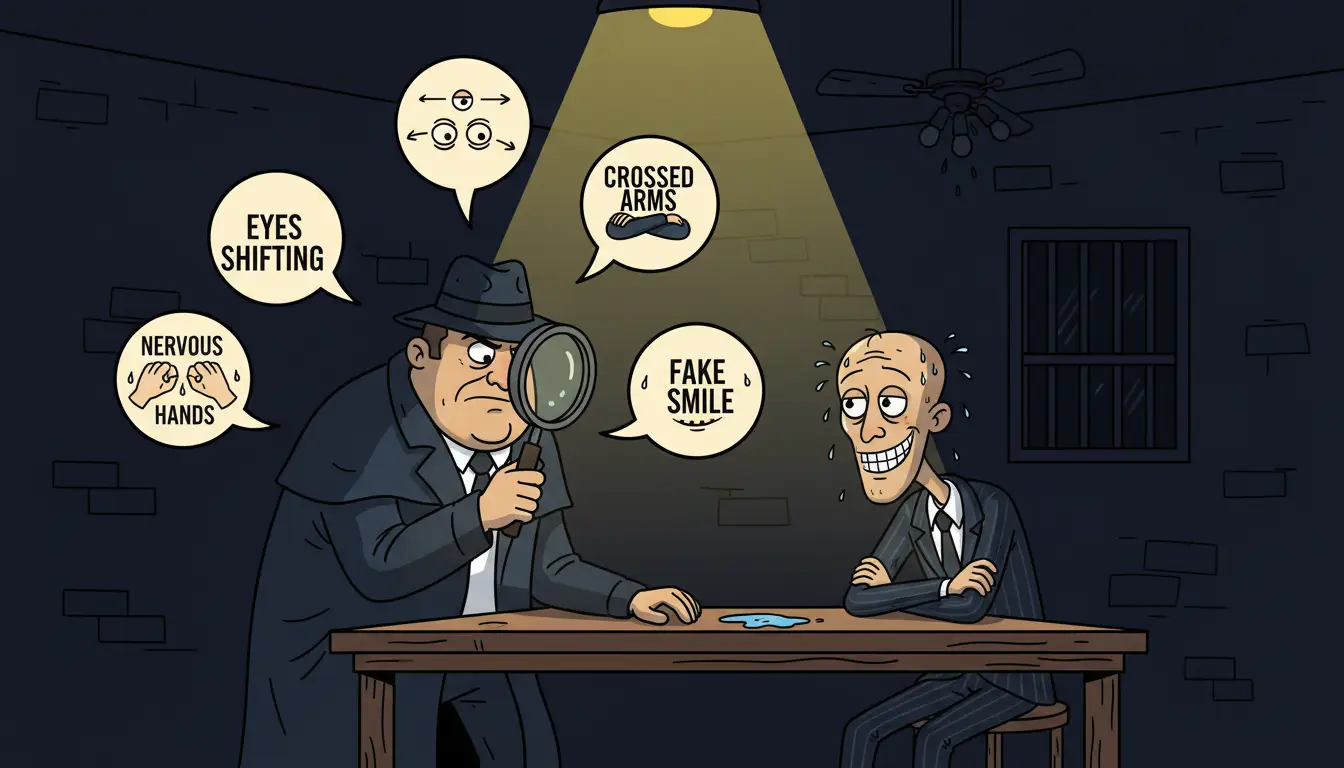
There is a particular pleasure in being betrayed by a friend in a board game. Your ally was the werewolf all along. Your teammate was the imposter. The person you defended most vigorously was lying to your face for the entire round, and you believed them.
This should be unpleasant. But it isn't. It's one of the most satisfying experiences in social gaming. Why?
The answer is in the neuroscience of prediction, social cognition, and reward, and it explains both why social deduction games are compulsively replayable and why the genre has exploded in the last decade.
The Prediction-Reward Circuit
At its core, the human brain is a prediction machine. Your prefrontal cortex is constantly modeling the world: what will happen next, what other people are thinking, what a given sequence of events implies. When those predictions are confirmed, dopamine is released. When they're violated in a meaningful way, something more interesting happens.
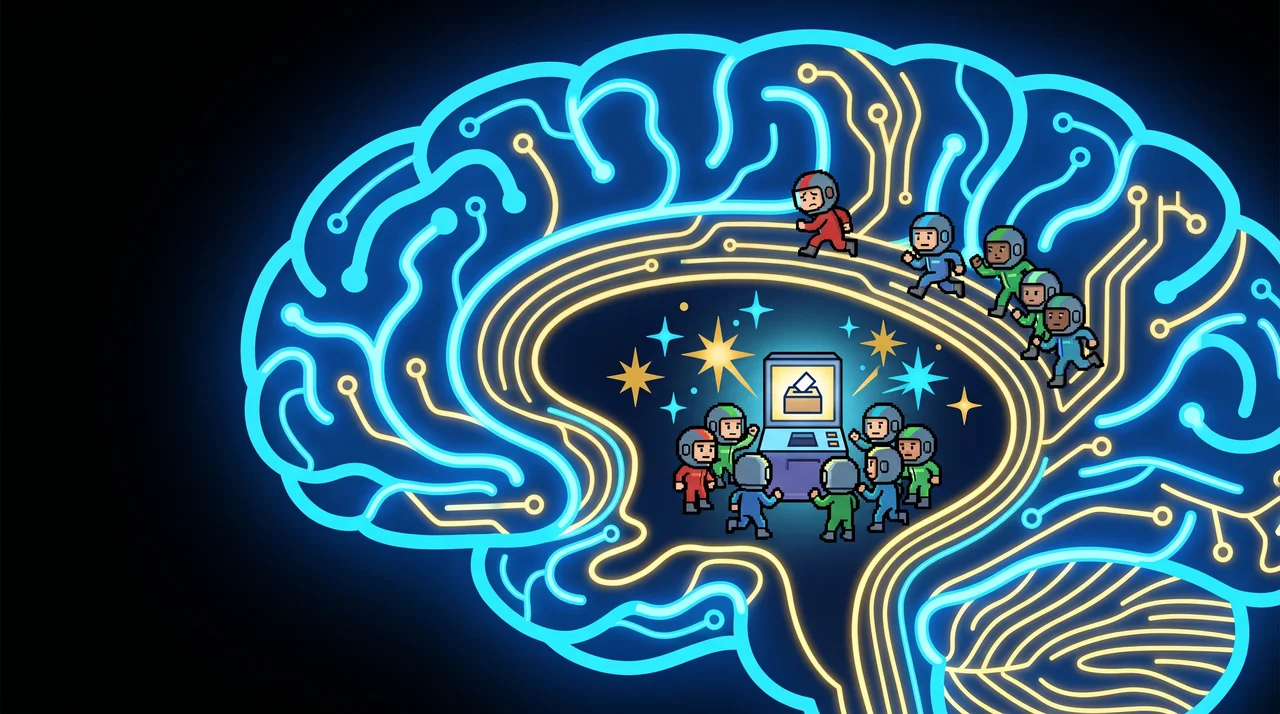
Unexpected violations of predictions, particularly social predictions, trigger a cascade that involves the anterior cingulate cortex (which flags unexpected outcomes), the amygdala (which assigns emotional weight), and the nucleus accumbens (the brain's reward hub). The betrayal moment in a social game activates all three simultaneously.
This is why the reveal moment, "I was the imposter all along", feels different from a normal win or loss. It's not just information. It's a social prediction violation delivered in a safe context, creating the full neurological signature of a high-stakes experience without any actual stakes.
Theory of Mind Under Fire
Social deduction games are essentially competitive Theory of Mind exercises. Theory of Mind, the ability to model what other people know, believe, and intend, is one of the most cognitively demanding things the human brain does. It's the foundation of empathy, communication, and social navigation.
In a game like Find The Imposter, Theory of Mind is the primary skill being exercised. You're simultaneously:
- Modeling what the imposter knows (they don't have the word, so which clue would they give without knowing it?)
- Modeling what other players think you know (your clue needs to be helpful to your team while not being too obvious)
- Modeling what the imposter thinks you think (they're trying to model your suspicions in real time)
This creates a recursive loop of social modeling, "she thinks I think she's innocent", that can go multiple levels deep. The cognitive load is substantial, which is part of why the game is so engaging: you are genuinely exercising your social intelligence at full capacity.
Research by Saxe and Kanwisher (2003) identified the temporoparietal junction (TPJ) as the primary region activated by Theory of Mind tasks. Studies of social game play show elevated TPJ activation compared to single-player logic puzzles with equivalent difficulty, suggesting it's the social modeling, not just the challenge, that drives engagement.
Why Being Caught Feels Worse Than Losing
In most competitive games, losing is clearly the worst outcome. In social deduction games, being publicly identified as the deceiver, even though you were assigned the role involuntarily, often feels more aversive than a straightforward loss.
This involves the anterior insula, which processes social pain: embarrassment, rejection, and the discomfort of being evaluated negatively by peers. The sensation of being "caught" activates social threat circuitry that evolved to monitor group standing in social hierarchies. Even in a game context, the brain doesn't entirely distinguish between "I was voted out of the game" and "the group decided I don't belong here."
This is also why the game creates such strong motivation to become better at bluffing. The drive to avoid the social threat of being caught is a powerful motivator for developing skill.
Trust and Its Violation as Social Learning
Humans have a robust system for tracking social trust, who kept their commitments, who defected, who can be relied upon. This system updates continuously based on experience, and betrayal experiences update it particularly strongly (the negativity bias: negative social information is weighted more heavily than equivalent positive information).
Social deduction games create a fast-cycle testing environment for this trust system. In a two-hour session of Find The Imposter, you can run 10–15 rounds, which means 10–15 cycles of trust formation, potential betrayal, and social consequence. That's more trust cycles than most people experience in a week of normal social interaction.
The brain's trust-tracking system becomes calibrated through these cycles. Players who engage regularly in social deduction games often report improvements in their real-world ability to notice inconsistencies in social behavior, because the game gives them repetitions that normal social life doesn't provide.
The Safe Danger of High-Stakes Play
The prefrontal cortex can modulate the emotional response to stimuli based on context, this is the mechanism behind the feeling that a horror movie is scary but fun, or that a rollercoaster is terrifying but enjoyable. The brain registers the physiological markers of danger (elevated heart rate, heightened attention, dopamine release) while simultaneously knowing the actual stakes are low.
Social deduction games exploit this mechanism almost perfectly. The social threat of being caught, accused, or betrayed is neurologically real, the anterior insula fires, the amygdala activates, but the prefrontal cortex contextualizes it as "this is a game." The result is the full emotional experience of high-stakes social competition without the cost.
This is why the genre scales so well across age groups and social contexts. The experience is genuinely engaging neurologically, not just intellectually, and the "safe container" of the game makes the intensity accessible rather than threatening.
Play It and Notice the Experience
Find The Imposter is free, runs in any browser, and takes less than a minute to set up. Play a few rounds and pay attention to what happens: the slight anxiety before your clue, the heightened attention when someone else gives a suspicious answer, the satisfaction when your social read is confirmed, the strange delight when the imposter is finally revealed.
That's not entertainment. That's your brain running its most sophisticated social cognition software at full power.
Social deduction games are popular not despite being psychologically complex, but because of it.